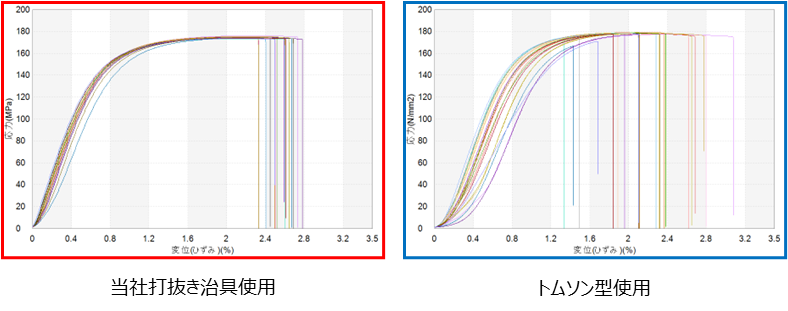

Results of a punching processability test of a lithium-ion battery electrode (Cathode, 100 μm, single-side coated)
Lithium-ion batteries are a type of secondary battery designed for repeated charging and discharging cycles. They generate electrical energy through the movement of lithium ions between the cathode and anode. These batteries are widely integrated into electronic devices such as smartphones and laptops, and as a power source for electric vehicles. Despite their extensive adoption, the technology continues to evolve in fierce development competition worldwide, with ongoing efforts focused on improving energy efficiency, extending lifespan, and enhancing overall performance.
If the cathode and anode of a lithium-ion battery come into direct contact, a short circuit can occur. Burrs or sagging on the processed surface may penetrate the separator and touch the opposite electrode. Therefore, strict quality control during electrode processing is essential.
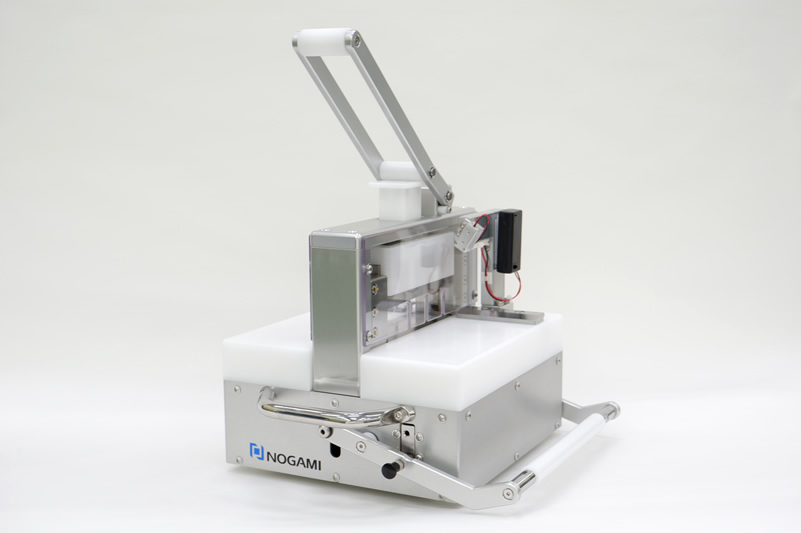
In this test, we used a specimen with a total thickness of 100 μm, consisting of a 15 μm aluminum substrate and the layer of active materials coated on one side, and conducted a punching test using our precision punching tool with a clearance of 2 μm.
Test Conditions:
Test Specimen
Material: Cathode electrode (LiFePO4) + Aluminum foil substrate
Thickness: 100 μm (Aluminum foil 15 μm)
Product name: LiFePO4 cathode material with single-side coating on aluminum foil (Commercially available from MTI)
Primary use: Lithium-ion secondary battery cathode material
Test Equipment
Punching jig: Nogamigiken’s Handheld Electrode Punch
Diameter: 10.00 mm
Clearance between the punch and the die: 2 μm
Microscope: KEYENCE VHX-6000
Magnification: up to 2500×
Test Results
Top View of the Punched Cathode
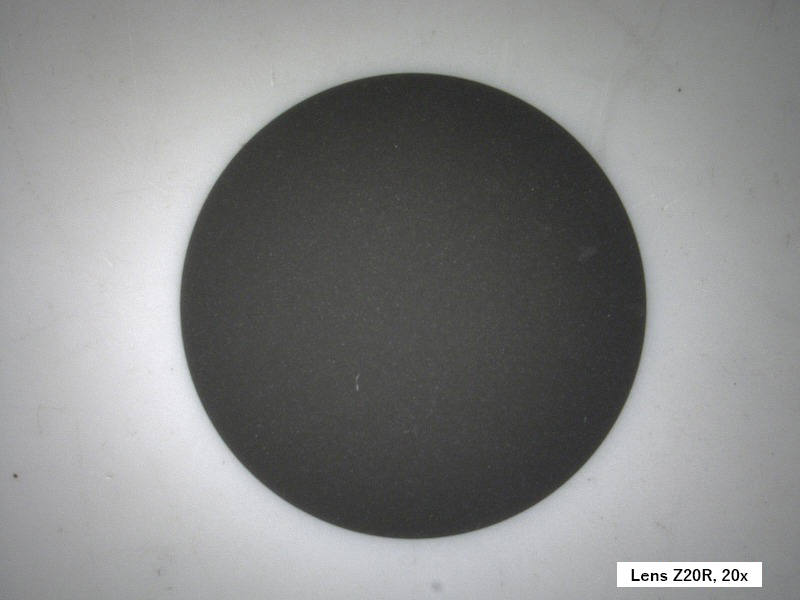 Top surface full view (magnified 20×)
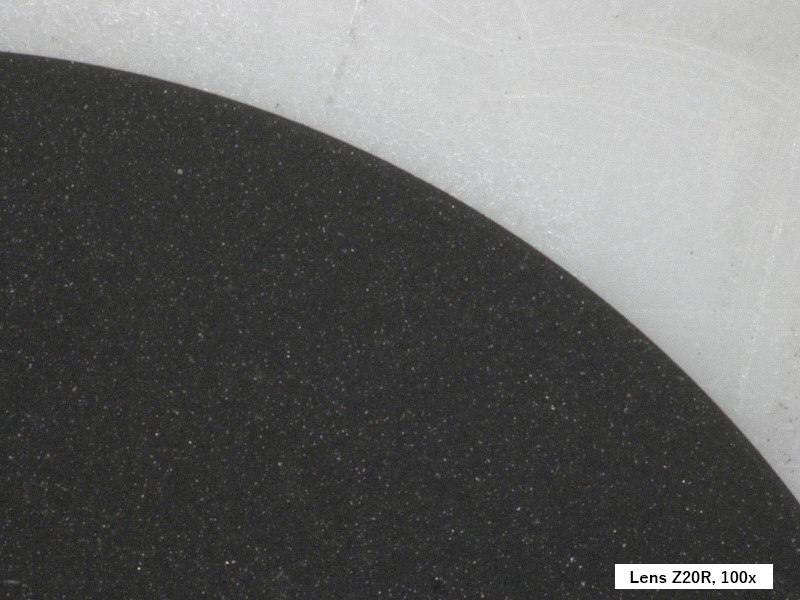 Top surface enlarged (magnified 100×)
No burr or deformation is observed.
Cross section of the Punched Cathode
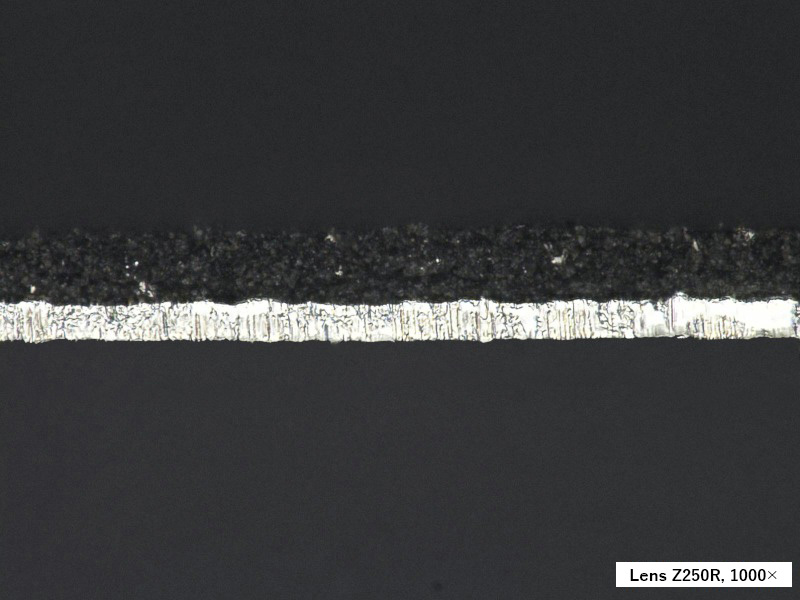 Cross section (magnified 1,000×)
The aluminum substrate layer shows no burr or sagging, and the active material areas exhibit no irregularities.